



GONSIN Audio & Visual System Design Guidelines for Theaters
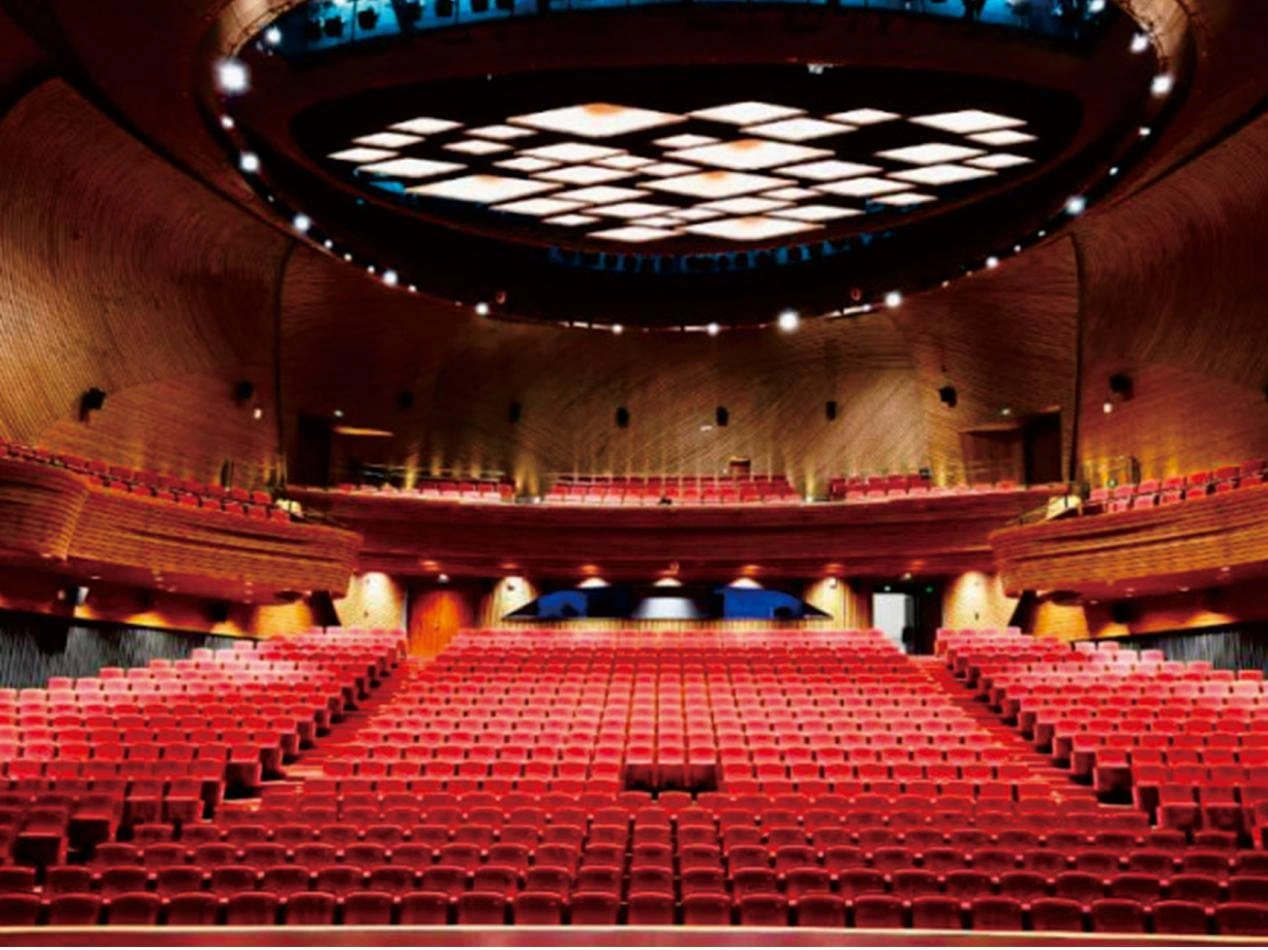
With the rapid advancement of technology and the growing demand for cultural experiences, cultural centers, auditoriums, and theaters, as important large-scale venues, have gradually become vibrant sources of cultural life and iconic landmarks of cities.
Therefore, the design of an integrated audio-visual solution is of paramount importance. A well-designed equipment layout not only enhances the audience's audiovisual experience but also effectively extends the venue's functionality to accommodate various meetings and cultural events. With its extensive industry experience, GONSIN provides professional, stable, and efficient audio-visual conference solutions for theaters.
A theater is typically composed of stage, seating area, multifunctional area, foyer, and additional public areas.
Stage
A stage can be divided into the main stage, backstage, stage wings, and stage machinery. The audio-visual equipment on the main stage plays a crucial role in stage performances and major conferences. As the primary performance area, the main stage is usually located directly in front of the audience, featuring ample space and height to accommodate various performances and conference formats.
1. Display System
- The center of the stage is equipped with a main screen, with its width and height determined based on the venue size to meet the requirements for high-definition and high-brightness display.
- Auxiliary screens are installed on the left and right sides of the stage to serve as supplementary displays, enhancing the overall visual effect.
- An LED strip screen is mounted above the stage for displaying welcome messages and other information.
2. Conference System
- Based on the stage layout and different conference needs, the stage is equipped with conference microphones, electronic voting system, and simultaneous interpretation system.
- For the podium and rostrum, both easily detachable wired conference system and wireless conference system for flexible installation can be adopted.
3. Stage Lighting System
- The stage lighting is divided into on-stage and off-stage zones, equipped with basic lighting positions and capable of flexible adjustments to meet the needs of various performances.
- A professional LED front lighting system is used, complemented by versatile PAR lights, professional moving head beam lights, follow spotlights, and other equipment to create diverse atmospheres.
- The lighting layout is scientifically designed to ensure adequate illumination.
4. Conference Sound Reinforcement System
- Design the system with line array speakers as the main sound reinforcement, paired with subwoofers to achieve three-dimensional sound coverage.
- Speakers are suspended on either side of the stage to ensure full sound coverage throughout the venue.
- Auxiliary sound reinforcement speakers are set up on both sides at the rear of the stage to improve sound field uniformity.
- Incorporate a pickup system to ensure that speakers and performers can clearly hear their own voices, avoiding echoes and howling.
5. Stage Machinery & Curtain System
- Equipped with lift platforms, rotating tables, and other devices to meet the various transformation needs of stages.
- Using electric curtains allows for more convenient control and management.
Auditorium
The auditorium can be primarily divided into seating area, aisles, and accessibility areas. Wherein, seating area, the main area for audiences to enjoy performances, is typically designed in a theater-style layout, often with two or even three tiers of seating. The layout needs to consider the best sightlines and comfort for the audience.
1. Conference System
- According to venue's equipment management requirements, fixed installation of conference equipment can be configured, such as embedding electronic voting, simultaneous interpretation, and microphones into the armrests of chairs and conference tables.
- For venues with diverse usage and frequent open activities, a wireless or easily removable conference system can be configured. Examples include wireless voting system, wireless simultaneous interpretation system, and detachable wired handhold microphones.
- Careful consideration should be given to the charging and storage design of conference equipment.
2. Conference Sound Reinforcement System
- The audio equipment is evenly distributed around the audience area, with fill speakers installed on the side wall or rear wall of the first and second tiers of seating, to supplement the sound pressure of the main sound reinforcement speaker, ensuring full sound coverage throughout the venue.
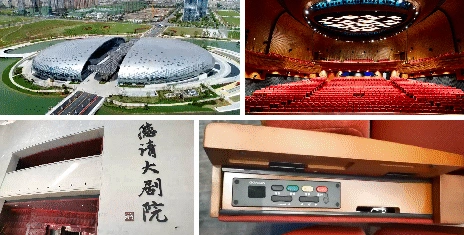
Deqing International Convention Center- Permanent site of UNWGIC
- The theater adopts GONSIN embedded voting and simultaneous interpretation conference system, IR Simultaneous Interpretation System, Desktop Paperless Conference System and so on.
- The auditorium seats are equipped with embedded voting and simultaneous interpretation terminals, providing convenient equipment support for both governmental voting and international multilingual conferences.
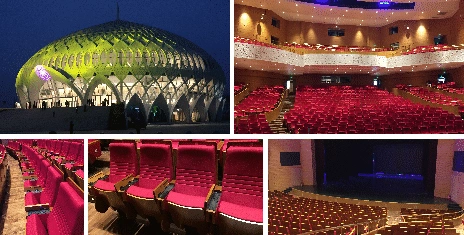
Gansu Linxia Ethnic Grand Theater
- The podium equipped with GONSIN desktop wireless voting system.
- The armrests of the audience seats are equipped with embedded voting systems.
- The wired and wireless products seamlessly integrate and are unified for management, creating a large-scale conference voting system for the theater.
Multifunctional Area
Multifunctional area includes facilities such as control room, interpretation room, dressing room, storage room, and restroom. Among them, the control room serves as the "brain" of the entire theater, managing the conference system, stage effects, sound reinforcement, and display equipment to ensure the smooth operation of meetings and events.
Equipment configured for the control room
- Video monitoring equipment
- Monitoring system
- Central control system
- Lighting control system
- Back-end servers/controllers for various devices
Foyer and Other Public Areas
Large-scale venues feature various public areas such as foyers, lobbies, lounges, and parking lots. Based on the event flow, electronic registration systems, such as facial recognition or long-distance registration, can be installed in foyers or lobbies to facilitate a quick and efficient attendee registration process for conferences.